Signs Your Artificial Grass Needs Repair
If you notice signs your artificial grass needs repair, local contractors can assess and restore your turf to ensure it looks and functions like new.
If your artificial grass isn’t looking as fresh as it once did or shows signs of wear, it might be time to consider a repair. Property owners in the area often notice issues like uneven surfaces, bald patches, or seams that are beginning to lift. These signs can impact the appearance and safety of your outdoor space, making it less inviting for family, friends, or customers. Recognizing these early warning signs can help prevent minor problems from turning into more extensive damage, ensuring your artificial turf remains attractive and functional.
When signs of damage appear, it’s helpful to connect with experienced local contractors who specialize in artificial turf repair. They can assess the condition of your grass and recommend the appropriate solutions to restore its look and integrity. Whether it’s fixing seams, replacing worn sections, or addressing underlying issues, these professionals have the skills to handle a variety of repairs efficiently. Keeping an eye out for these indicators and seeking expert assistance can extend the lifespan of your artificial grass and keep your property looking its best.
- Artificial turf patching - when areas of the grass appear worn or torn, local contractors can repair or replace damaged sections to restore a seamless look.
- Seam repair services - signs of separation or bubbling at seams indicate the need for professional seam fixing to prevent further damage.
- Infill replacement - uneven or sparse patches of infill material suggest that local pros can refresh the surface for optimal performance.
- Drainage correction - standing water or poor drainage after rain can point to underlying issues that service providers can address with proper repairs.
- Surface leveling - uneven or lumpy areas of artificial turf often require expert leveling to maintain a smooth, safe surface.
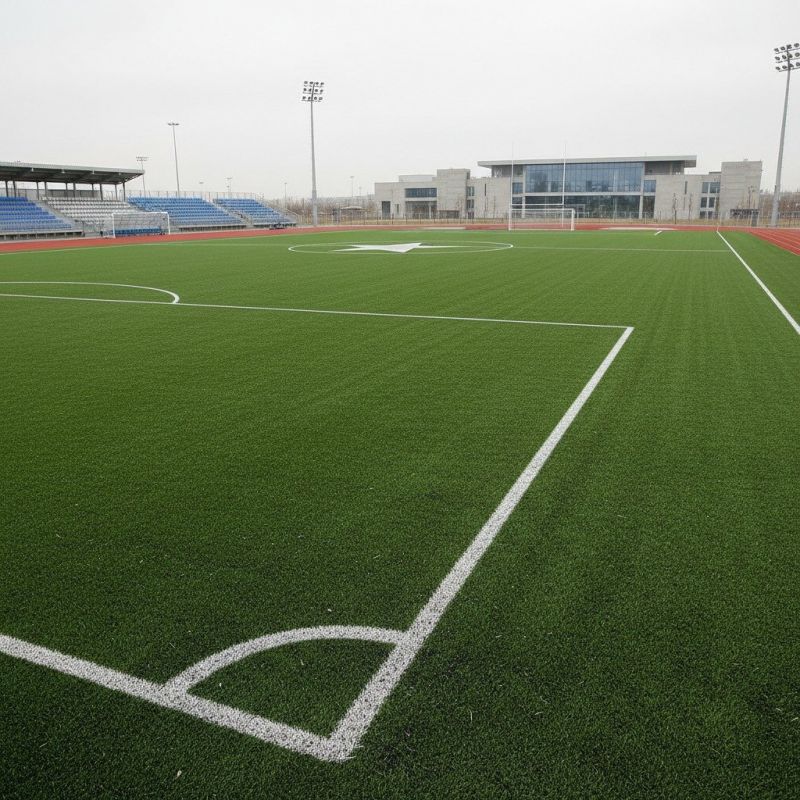
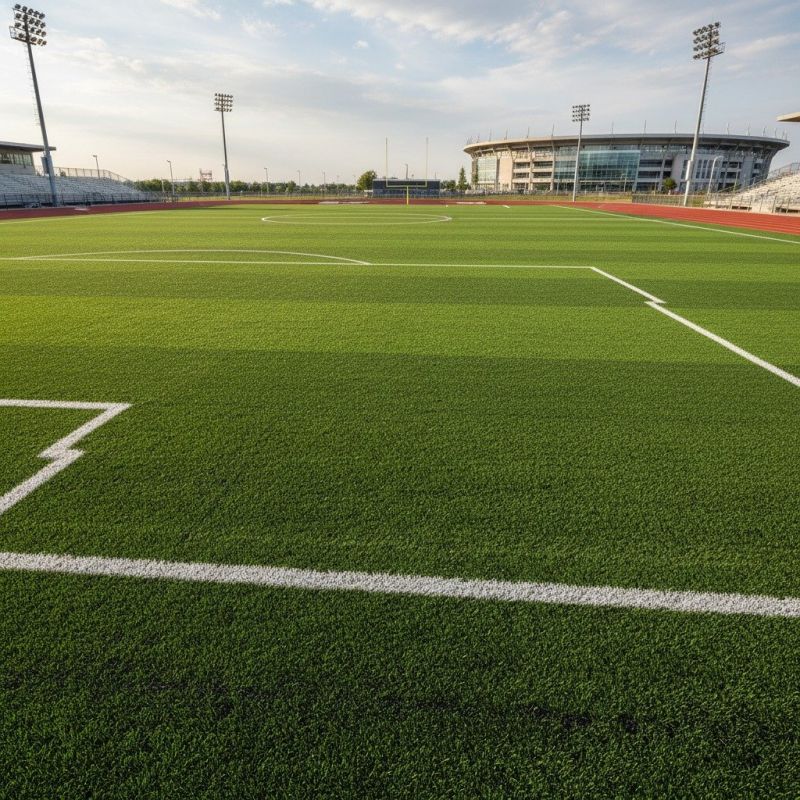
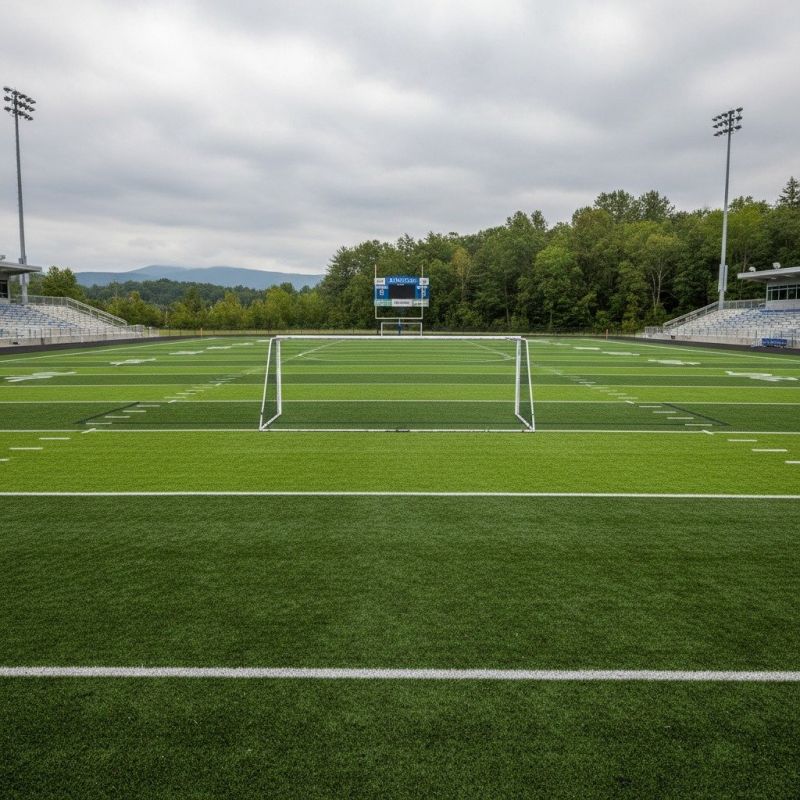
When homeowners search for signs your artificial grass needs repair, they are typically trying to identify early indicators that their synthetic turf has sustained damage or is no longer performing as it should. This concern often arises after noticing visual changes such as uneven surfaces, bald patches, or areas where the grass fibers appear worn or flattened. Understanding these signs helps property owners determine whether repair work is necessary to restore the turf’s appearance and functionality. Recognizing these issues early can prevent further damage and extend the lifespan of the artificial grass, making it an important consideration for those maintaining lawns, sports fields, or commercial landscapes.
The problems associated with aging or damaged artificial grass often relate to common wear and tear from regular use, weather exposure, or improper installation. Over time, the infill material may shift or become compacted, leading to uneven surfaces that can pose safety hazards or diminish visual appeal. Additionally, tears, rips, or seams coming apart are clear signs that repair is needed. In some cases, staining or discoloration may indicate underlying issues with the turf’s backing or infill, requiring professional attention. Property owners with plans to maintain a neat, safe, and attractive outdoor space often look for repair solutions to address these problems and ensure their artificial grass continues to serve its purpose effectively.
Properties that typically encounter issues with artificial grass are diverse, including residential lawns, sports fields, playgrounds, and commercial landscapes. Residential properties often feature artificial turf in backyards or front lawns where families and pets frequently use the space. Sports facilities and playgrounds experience heavy foot traffic, which can accelerate wear, leading to visible damage or uneven areas. Commercial properties, such as office complexes or retail centers, may install artificial grass for aesthetic appeal or low-maintenance landscaping, but these areas are not immune to damage from weather or regular use. Recognizing the type of property and its specific usage helps determine when signs of damage are serious enough to warrant professional repair services.
Local service providers specializing in artificial turf repair play a crucial role in addressing these issues. They can assess the extent of damage, identify underlying causes, and recommend appropriate solutions to restore the turf’s appearance and safety. Whether it’s fixing seams, replacing worn sections, or reapplying infill, these experts have the skills and tools to handle various repair needs. For property owners, connecting with experienced local contractors ensures that repairs are performed efficiently and to a high standard. Properly maintained artificial grass not only looks better but also remains safe and functional for everyday use, making professional repair services an essential part of ongoing turf care.
Landscape Design Projects - Designing outdoor spaces often involves installing and maintaining synthetic turf, requiring skills similar to those needed for artificial grass repair to ensure a seamless look.
Playground Surface Installations - Installing and repairing safety surfaces around play areas shares techniques with artificial turf repair, including surface leveling and material handling.
Sports Field Maintenance - Maintaining sports fields with synthetic surfaces involves identifying and fixing damage, making it closely related to repairing artificial grass issues.
Outdoor Patio and Decking Projects - Incorporating artificial grass into patio designs requires planning and surface preparation skills similar to turf repair services.
Drainage System Installations - Proper drainage setup is essential for artificial turf longevity, and service providers experienced in drainage can help address turf damage caused by water issues.
Ground Leveling and Grading - Preparing and leveling soil surfaces is a foundational skill that supports effective artificial turf repair and installation projects.
When evaluating service providers for artificial turf repair, it is important to consider their experience with similar projects. Homeowners should inquire about the types of repairs they have performed and whether they have worked with the specific issues that can arise with artificial grass, such as matting, uneven surfaces, or damaged seams. A contractor’s familiarity with these common problems can be a strong indicator of their ability to deliver effective solutions. Additionally, understanding their past work can help ensure that the repair methods used are appropriate for the specific type of turf installed, leading to a more durable and visually appealing result.
Clear written expectations are essential for a successful repair project. Homeowners should seek service providers who can provide detailed descriptions of the repair process, including what will be done, the materials that will be used, and the estimated scope of work. Having this information in writing helps prevent misunderstandings and ensures that both parties are aligned on the project's goals. It also provides a reference point for assessing whether the proposed repairs will address the signs your artificial grass needs repair effectively, such as replacing worn areas or fixing loose seams.
Reputable references and good communication are key factors when choosing local contractors for artificial turf repair. Homeowners can ask for recommendations or reviews from previous clients to gauge the quality of the service provider’s work. Reliable contractors typically maintain open lines of communication, promptly addressing questions and providing updates throughout the repair process. This transparency helps build trust and ensures that concerns about signs your artificial grass needs repair are addressed thoroughly, leading to a smoother experience and a better outcome for the repair project.
Property owners often search for signs your artificial grass needs repair when they are planning practical projects around their homes and businesses. Local pros provide Artificial Turf Repair services for everyday jobs and straightforward project options.
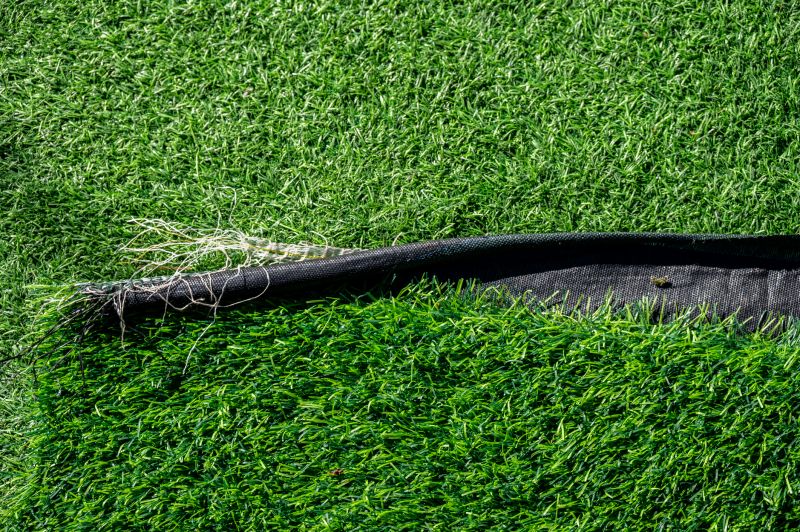
Property owners in the area might notice several signs indicating their artificial grass needs repair, especially after heavy use or seasonal changes. Common issues include uneven surfaces, visible seams, or areas where the turf appears flattened or worn down. Additionally, patches of discolored or faded grass can signal damage or deterioration over time. These problems can affect the overall appearance and functionality of the turf, prompting property owners to seek professional repair services to restore their outdoor space.
Other frequent indicators include the presence of loose or lifted edges, which can create tripping hazards or allow debris to get trapped underneath. In some cases, infill material may shift or become sparse, leading to uneven footing. Damage from pets, such as tears or dug-up areas, can also compromise the integrity of the turf. When these signs appear, many turn to local contractors who specialize in artificial turf repair to address issues effectively and help maintain a safe, attractive outdoor environment.
How can I tell if my artificial grass has uneven patches? Uneven patches may be noticeable through areas that feel lumpy, sagging, or have inconsistent height, indicating the need for repair by local contractors.
What are signs of damage or tears in artificial turf? Visible tears, rips, or frayed edges are common signs that the turf requires professional repair to restore its appearance and functionality.
Why does my artificial grass look faded or discolored? Fading or discoloration can result from prolonged exposure to sunlight or wear, and local service providers can assess whether repair or replacement is necessary.
How do I know if the infill has shifted or depleted? If the infill appears uneven, sparse, or has visibly moved, it may affect the turf’s stability and should be addressed by experienced contractors.
What indicates that the backing of my artificial grass is damaged? Signs include bubbling, lifting, or separation from the ground, which often require professional repair to prevent further issues.
Visible wear and tear - noticing bald patches or uneven areas can indicate the need for professional repair to restore the turf’s appearance and functionality.
Unusual odors or mold - persistent smells or mold growth suggest underlying issues that local contractors can address through proper cleaning and repairs.
Loose or lifted seams - seams coming apart or lifting from the ground can cause tripping hazards and signal the need for seam reinforcement or patching services.
Cracks or tears in the turf - physical damage like cracks or tears can worsen over time and should be handled by service providers to prevent further deterioration.
If you are thinking about signs your artificial grass needs repair for a property, this guide is meant to help you understand this topic, the typical project types, and how different options might fit your plans.
When you are ready, you can use the quote form on this page to share a few details about your project. From there, local pros can review the basics and follow up with options that match what you have in mind.