Common Artificial Turf Problems In Residential Yards
To fix common artificial turf problems in residential yards, local contractors can assess and repair issues like tears, uneven surfaces, and loose seams efficiently.
Many homeowners with artificial turf in their residential yards encounter common problems that can affect the appearance and longevity of their outdoor space. Issues such as uneven surfaces, matting, or areas where the turf appears worn or damaged are typical concerns that may arise over time. Understanding these common artificial turf problems can help property owners recognize when repairs or maintenance might be needed to restore their yard’s aesthetic appeal and functionality. Local contractors experienced in artificial turf repair are equipped to address these issues efficiently, helping homeowners maintain a lush, even look throughout the seasons.
Exploring solutions for artificial turf problems is a practical step for property owners looking to extend the life of their yard’s surface. Whether it’s fixing tears, replacing sections, or releveling uneven patches, local service providers can offer tailored repair services to meet specific needs. Keeping an eye on potential issues and seeking professional assistance when necessary can prevent minor problems from escalating into more costly repairs. For homeowners interested in maintaining a beautiful, durable yard, connecting with local pros who specialize in artificial turf repair is a smart move to ensure their outdoor space remains inviting and well-kept.
- Artificial turf patching - homeowners noticing torn or worn sections in their yard can rely on local contractors to seamlessly repair and restore the surface.
- Seam and edge repair - when seams or edges begin to lift or fray, local service providers can re-secure and reinforce these areas for a smooth appearance.
- Drainage correction - persistent pooling or water accumulation issues often require local pros to improve drainage and prevent turf damage.
- Surface leveling - uneven or sunken patches in artificial turf can be addressed by local contractors who specialize in restoring a flat, even surface.
- Damage restoration - burns, tears, or other damage caused by pets, equipment, or weather can be repaired effectively by experienced local service providers.
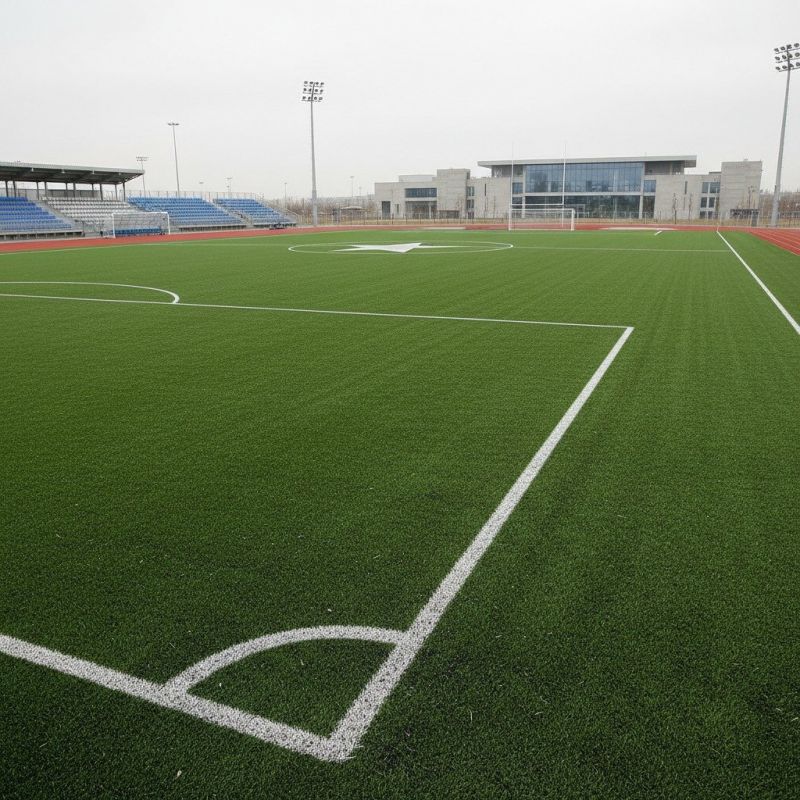
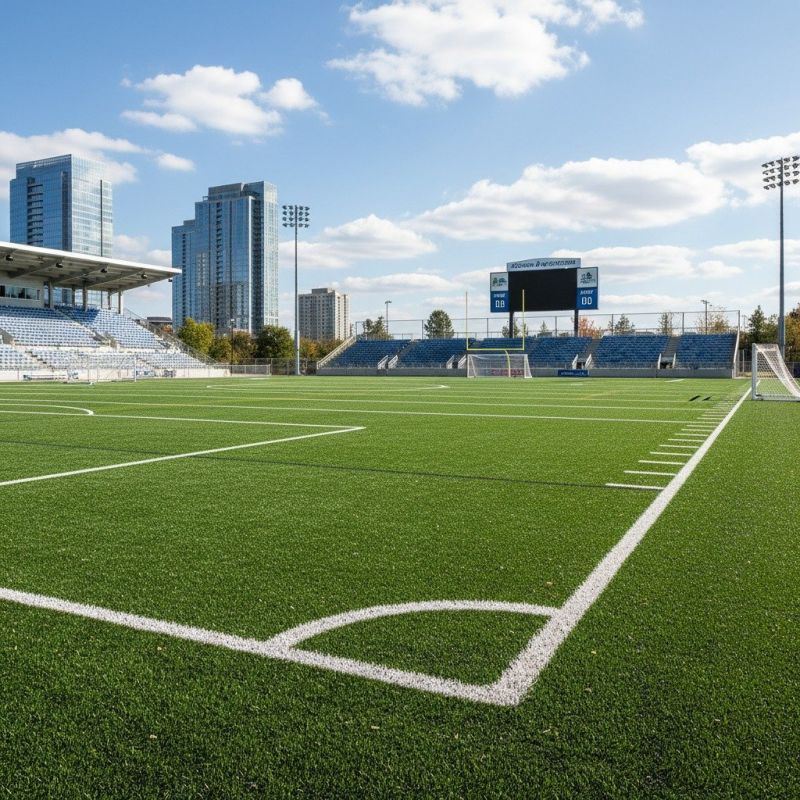
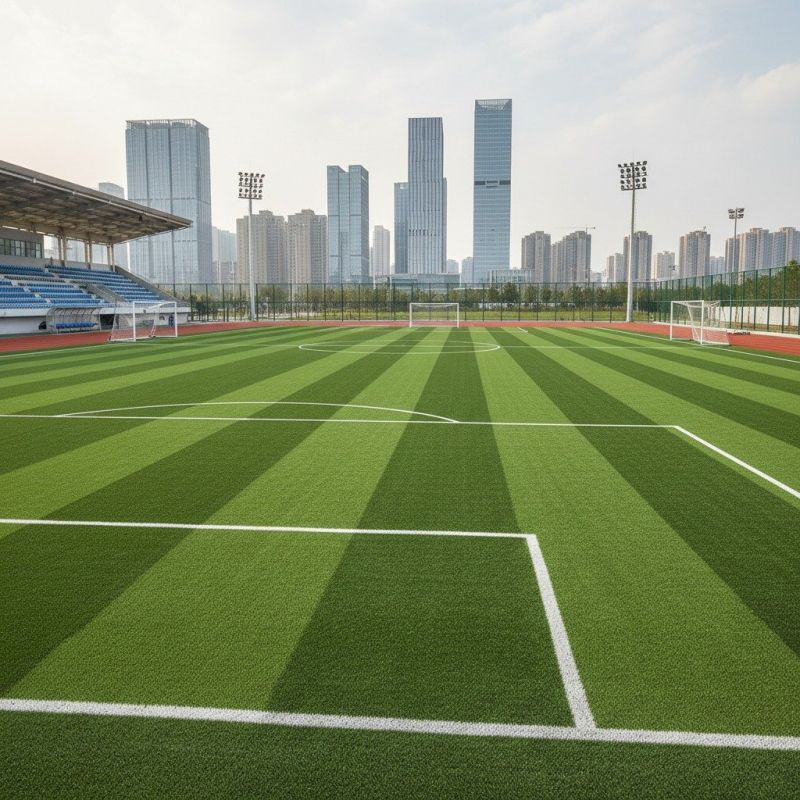
Many homeowners searching for information on common artificial turf problems in residential yards are typically concerned about issues that impact the appearance, safety, and functionality of their synthetic grass installations. These problems often arise after the turf has been installed for some time and can include uneven surfaces, visible seams, or areas where the turf has become loose or displaced. Homeowners may notice patches of discoloration, mold, or mildew, especially in shaded or poorly drained areas, which can detract from the yard’s overall look. Understanding these common issues helps homeowners recognize when repairs or adjustments are needed to maintain a clean, attractive outdoor space.
The scope of artificial turf problems in residential settings often relates to the initial installation process, ongoing wear and tear, or environmental factors. For example, improper sub-base preparation can lead to uneven surfaces or sinking sections, while inadequate drainage can cause water pooling and promote mold growth. Over time, foot traffic and pet activity may cause turf fibers to fray or flatten, reducing the yard’s natural appearance. Additionally, seams where pieces of turf meet can become visible or start to lift, creating tripping hazards or an unkempt look. Homeowners seeking solutions for these issues often look for local contractors who specialize in turf repair and maintenance to restore the yard’s original appeal and safety.
Properties that commonly encounter artificial turf problems tend to be residential yards with moderate to high activity levels. Lawns that see frequent use by children, pets, or outdoor gatherings are more prone to wear and tear. Larger properties with extensive turf installations may experience more seam separation or drainage issues, especially if the ground wasn’t properly prepared beforehand. Conversely, smaller yards might face problems like patchy discoloration or localized sinking due to poor installation or soil movement underneath. These issues are not limited to specific property types but are more likely to appear in yards where the turf has endured significant use or environmental stress, prompting homeowners to seek professional repairs.
Local service providers who specialize in artificial turf repair are equipped to address these common problems effectively. They can perform tasks such as seam re-adhesion, turf patching, and leveling to improve the yard’s appearance and safety. Repair professionals also help with drainage solutions to prevent water pooling, as well as replacing sections of turf that have become severely damaged or discolored. For homeowners experiencing persistent issues, connecting with experienced local contractors ensures that the turf is properly maintained and restored to its intended look and function. This practical approach helps keep residential yards attractive, safe, and enjoyable for years to come.
Landscape Design Projects - Designing outdoor spaces often involves planning for artificial turf installation and addressing common problems that affect appearance and durability.
Irrigation System Installations - Proper irrigation setup can help prevent issues like uneven surface or drainage problems associated with artificial turf in residential yards.
Drainage Improvement Services - Addressing drainage concerns is essential for resolving common artificial turf problems such as water pooling or subgrade issues.
Hardscape Construction - Installing features like patios and walkways requires knowledge of turf repair to ensure seamless integration with existing yard elements.
Soil Preparation and Grading - Proper soil prep is crucial for preventing turf settling and uneven surfaces, which are common artificial turf problems in residential yards.
Yard Renovation Projects - Complete yard makeovers often include turf repair and addressing issues like matting or fading to improve overall landscape quality.
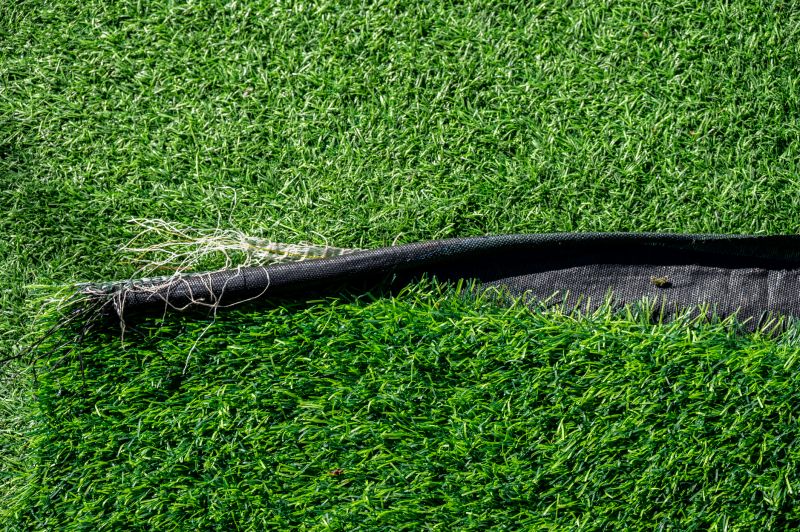
When comparing service providers for artificial turf repair, it’s important to consider their experience with similar projects, especially those involving common artificial turf problems in residential yards. Homeowners should look for local contractors who can demonstrate a history of successfully addressing issues such as uneven surfaces, turf lifting, or drainage problems. An experienced professional will understand the nuances of different turf materials and installation techniques, helping to ensure repairs are effective and long-lasting. Asking for examples of past work or references related to residential turf repairs can provide valuable insight into their familiarity with the specific challenges that arise in home environments.
Clear, written expectations are essential when evaluating potential service providers. Homeowners should seek detailed descriptions of the scope of work, including the specific repair methods and materials that will be used. Well-defined expectations help prevent misunderstandings and ensure that both parties agree on the project’s goals. A reputable contractor will be transparent about their process, outlining what the repair will involve and what results can reasonably be expected. This clarity allows homeowners to make informed decisions and select a service provider who aligns with their needs for resolving common artificial turf problems effectively.
Good communication and reputable references are key factors when choosing local contractors for artificial turf repair services. Service providers who are responsive, willing to answer questions, and provide references from previous clients demonstrate professionalism and reliability. Contacting references can reveal insights into the contractor’s workmanship, punctuality, and ability to handle issues that may arise during the repair process. Effective communication ensures that homeowners stay informed throughout the project, fostering a smoother experience and increasing confidence that the repairs will address the specific problems encountered in residential yards.
Property owners often search for common artificial turf problems in residential yards when they are planning practical projects around their homes and businesses. Local pros provide Artificial Turf Repair services for everyday jobs and straightforward project options.
Many homeowners in the area turn to artificial turf for a low-maintenance yard, but they often encounter common artificial turf problems that can affect the appearance and functionality of their outdoor space. Issues like uneven surfaces, loose or wrinkled sections, and areas where the turf has shifted are frequent concerns. These problems can arise from improper installation, heavy foot traffic, or settling over time. Property owners seeking to restore their yard’s aesthetic and safety often look for experienced local contractors who specialize in artificial turf repair services.
Another typical challenge involves damage caused by weather or everyday wear, such as tears, rips, or fading of the turf fibers. Additionally, poor drainage can lead to pooling or waterlogged patches, which may cause the turf to lift or develop mold. For residents noticing these kinds of problems, connecting with local service providers who offer artificial turf repair can help address these issues efficiently. Skilled contractors can assess the damage, perform necessary repairs, and help extend the lifespan of the artificial turf in residential yards.
What are common issues with artificial turf in residential yards? Common artificial turf problems in residential yards include uneven surfaces, visible seams, and areas of wear or fading that can affect appearance and functionality.
How can local contractors address drainage problems with artificial turf? Local service providers can evaluate drainage issues and perform repairs such as regrading or installing proper base materials to ensure water flows away effectively.
What causes artificial turf to develop bald spots or areas of deterioration? Wear and tear from foot traffic, UV exposure, and poor installation can lead to bald spots or deterioration that local pros can repair or replace.
Why does artificial turf sometimes lift or develop wrinkles? Improper installation, temperature changes, or base movement can cause lifting or wrinkling, which experienced contractors can fix through re-adhesion or seam reinforcement.
How do local pros handle pet-related damage to artificial turf? Service providers can repair or replace damaged sections, and recommend solutions to prevent future issues caused by pet activity.
Identifying uneven surfaces - property owners can plan to have local contractors assess and level their turf to prevent tripping hazards and improve appearance.
Addressing turf fading or discoloration - homeowners might consider professional repair services to restore vibrant color and maintain a natural look.
Fixing seams and edges - residents can work with local pros to properly secure and seam artificial turf for a seamless, durable finish.
Managing drainage issues - property owners can consult local contractors to improve water runoff and prevent pooling or soggy patches.
If you are thinking about common artificial turf problems in residential yards for a property, this guide is meant to help you understand this topic, the typical project types, and how different options might fit your plans.
When you are ready, you can use the quote form on this page to share a few details about your project. From there, local pros can review the basics and follow up with options that match what you have in mind.